


Fashion Design & Collection Development
About the Course
The “Fashion Design & Collection Development” module is a practice-oriented original programme by renowned designer Markhamat Umarova, intended for students who wish to master the full cycle of fashion garment creation.
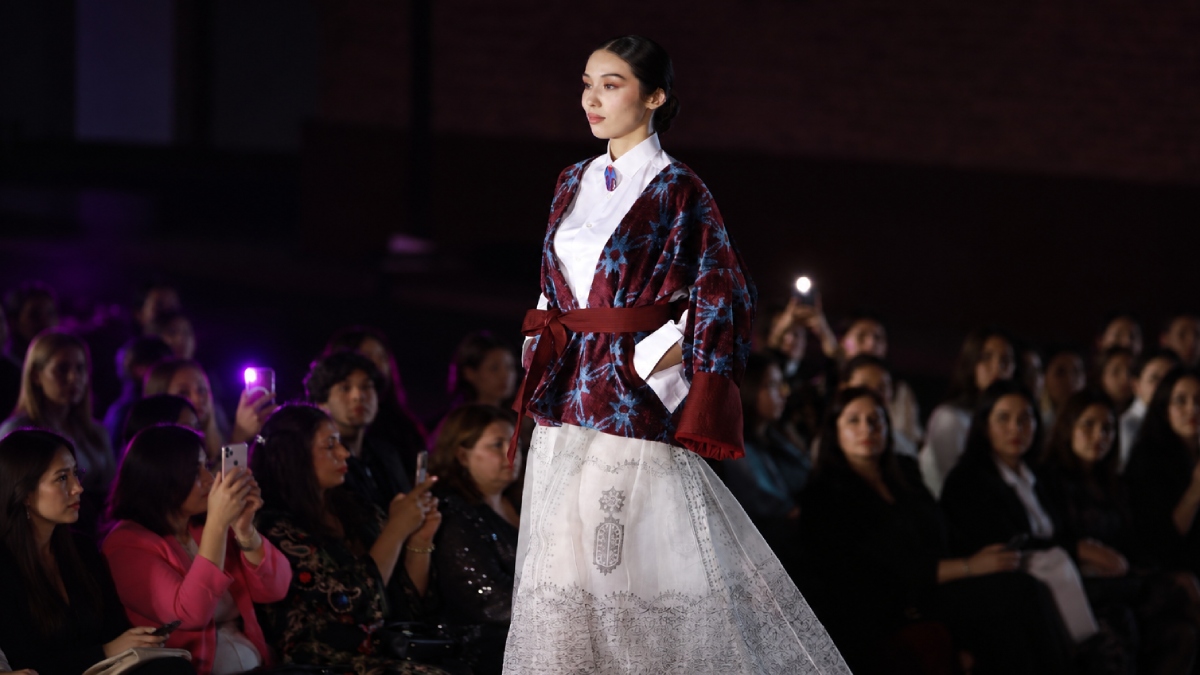
The programme immerses participants in the fashion industry, covering everything from the study of styles, colour theory and concept development to sketching, exploring fabric properties, pattern cutting, and creating complete looks for a real runway show. The course combines academic theory, studio-based practice, and opportunities for students to explore and develop their individual creative potential.
Course Length
6 months
120 hours
2 times a week
Who Is This Course For?
Students aspiring to a career in the fashion industry: those who want to explore roles such as fashion designer, stylist, or creative director.
Creative students from all disciplines: those who wish to develop their artistic skills, sense of style, and hands-on garment-making abilities.
Students interested in launching their own clothing brand: the course provides a fundamental understanding of pre-production and garment production processes.
Course Team
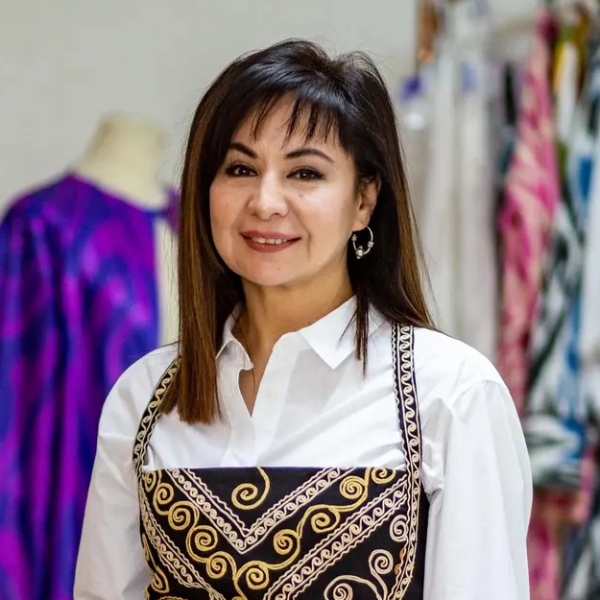
Founder of Brand MARU and Fashion Designer
Learning Outcomes
By the end of the module, the successful student will be able to:
LO 1 Explain fundamental principles of fashion design, including the history of styles, key fashion terminology, and principles of composition.
LO 2 Develop and communicate creative fashion concepts using concept boards, mood boards, and fashion sketches.
LO 3 Apply principles of colour, composition, and style to the development of an individual fashion concept and capsule collection.
LO 4 Identify and evaluate key properties of textile materials and apply this knowledge to fabric selection.
LO 5 Demonstrate basic skills in pattern-making, garment cutting, construction, fitting, and initial sewing techniques.
LO 6 Develop a coherent capsule collection by progressing from an initial concept through design development, garment production, and styling.
LO 7 Present completed garments as coordinated looks suitable for a fashion runway, demonstrating an understanding of styling and visual presentation.
LO 8 Participate effectively in the planning and delivery of a final Fashion Show, demonstrating creative, practical, and collaborative skills.
Also, on completion of the course, participants will:
Create a professional portfolio: including research and concept development, mood boards, colour and fabric boards, a series of fashion sketches, and technical drawings.
Produce and prepare their own garments (Total Look): complete looks suitable for runway presentation, with possible support from professional ateliers or workshops.
Gain hands-on experience in a real Fashion Show: participating in all stages of runway preparation, including fittings, styling, and backstage coordination.
Develop skills in using professional equipment: including sewing machines, mannequins, and cutting tools in the university laboratory.
Develop creative thinking and project skills: learning to transform abstract inspiration into a commercially appealing fashion product or an artistic creation.
Entry Requirements
University students at both undergraduate and postgraduate levels, from any field of study.
Prior specialised art or fashion education is not required. The course is designed for beginners, with basic drawing skills, fashion terminology, and fundamental sewing techniques introduced and developed from the ground up during the sessions.
However, an interest in art, design, photography, or sewing is an asset, along with a willingness to experiment with different forms, textures, and materials.
Selection is based on a motivation letter and/or a brief interview, at the organisers’ discretion.
Regular attendance at studio sessions and participation in fitting sessions are required.
Indicative Syllabus Content:
- Fashion Terminology and the Fashion Industry
Key fashion terminology: Haute Couture, Prêt-à-Porter, Fast Fashion, capsule collections, lookbooks.
Structure of the contemporary fashion industry.
The role of the fashion designer in the collection development process.
- Colour, Composition and Form
Colour wheel, colour harmony, colour psychology, and seasonal palettes.
Principles and elements of form: silhouette, proportion, rhythm, contrast, emphasis, balance, and the golden ratio.
- History of Fashion Eras and Styles
Evolution of the silhouette from historical dress to contemporary fashion.
Analysis of key styles: classic, avant-garde, minimalism, romanticism, ethnic/heritage, deconstructivism, and streetwear.
Course Assessment
Assessment Rationale
Assessment 1: Portfolio presentation will serve as the mid-term assessment. Moodboard, colour and fabric board, and a series of coloured fashion sketches demonstrating the development of the student’s creative concept and collection.
Assessment 2: The Final Project will be design of a collection and its presentation at the Runway: finished garments/looks produced as part of the collection and their presentation at the end-of-the year Fashion Show.
Assessment 3: Attendance, active participation in studio discussions and activities, progress demonstrated during fittings and development sessions, and compliance with health and safety requirements in the workshop will also contribute to the final grading on the course.
Assessment Methods
Assessment is based on continuous monitoring of students’ studio work and two key assessment points. Students are assessed on both the development of their creative concept and their ability to translate it into completed garments and a final runway presentation.
| Rank | Assessment type | Assessment name | Weighting |
|---|---|---|---|
| 1 | Portfolio | Portfolio Presentation | 35% |
| 2 | Final Project | Collection Presentation | 50% |
| 3 | Class Participation | Class Participation | 15% |
Assessment criteria:
Concept and Style: The extent to which the finished garment reflects the approved moodboard and the overall theme of the collection.
Quality of Execution: Quality and neatness of construction, garment fit, and finishing of seams and key garment details.
Completeness of the Look: Effective styling, including footwear, hairstyle, make-up, and accessories.
Runway Presentation: The quality and effectiveness of the garment’s presentation during the runway show.
Certification
Students who successfully complete both stages of assessment and present their work on the runway will receive a Certificate of Completion for the “Fashion Design & Collection Development” Course, signed by WIUT Rector and the Designer, Course Leader Markhamat Umarova.
-
Course fee
3,000,000 UZS*Price is for local residents
-
Format
Offline -
Duration
6 months /
2 times a week -
Total Hours
120 hours -
Language
English -
Deadline for
Registration29 October 2026